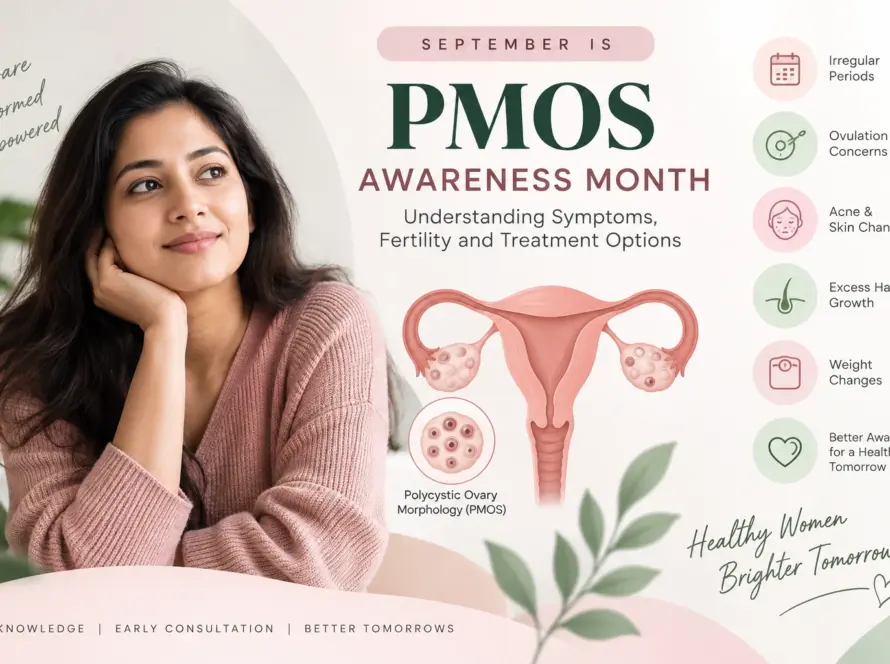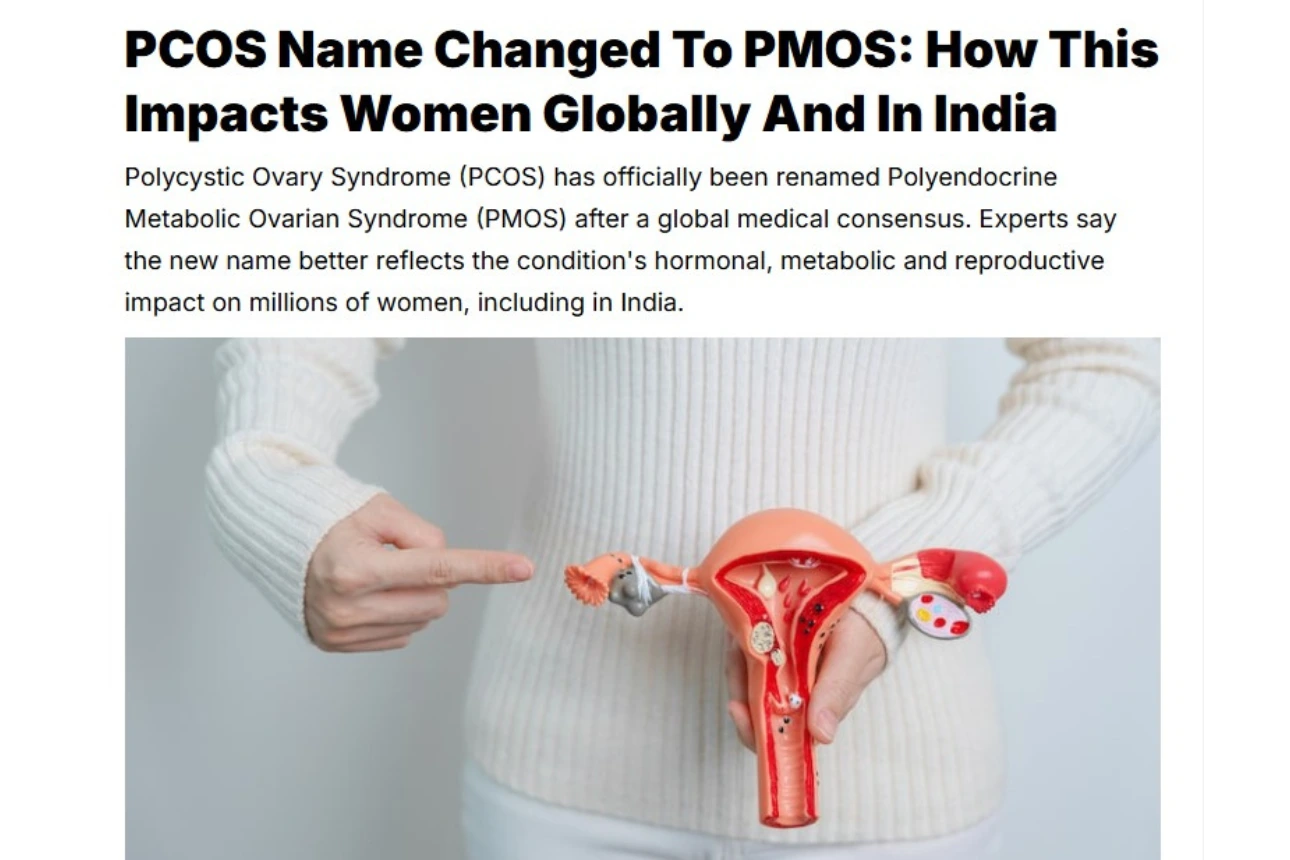
Many women recently got confused after hearing that PCOS is now called PMOS.
Social media, news articles, and doctors have started using this new term, leaving many women asking:
- “Why did PCOS change to PMOS?”
- “Is PMOS different from PCOS?”
- “Do I have a serious problem if I have PMOS?”
- “Can PMOS affect pregnancy?”
If you also have these doubts, don’t worry.
This article explains everything in simple words.
What is PMOS? Why Did PCOS Change Its Name?
Earlier, PCOS meant: Polycystic Ovary Syndrome
Now many experts are calling it: PMOS – Polyendocrine Metabolic Ovarian Syndrome
But here’s the important part:
The condition has NOT changed.
Only the name and understanding are evolving.
Doctors realized that PCOS is not only related to ovarian cysts.
In fact, many women with PCOS:
- Don’t have cysts at all
- Have hormonal imbalance
- Experience weight gain
- Face insulin resistance
- Have irregular periods
- Struggle with fertility issues
That’s why experts believe PMOS explains the condition more accurately.
Why Are Doctors Renaming PCOS to PMOS?
The word “PCOS” mainly focuses on ovarian cysts.
But the condition actually affects:
- Hormones
- Metabolism
- Insulin levels
- Ovulation
- Skin health
- Weight
- Fertility
Because of this, many doctors feel the old name was incomplete.
The new term PMOS helps women understand that this condition affects the whole body not just the ovaries.
PCOS vs PMOS: What’s the Difference?
PCOS
Old name
Focus on ovarian cysts
Often misunderstood
Same condition
PMOS
New proposed name
Focus on hormones + metabolism
More medically accurate
Same condition
So if someone says PMOS, it does NOT mean a new disease.
Common Symptoms of PMOS (PCOS)
Many women search online for symptoms before diagnosis.
Here are the most common signs:
Irregular Periods
Missed periods or delayed cycles are one of the biggest symptoms.
Weight Gain
Many women gain weight easily, especially around the stomach area.
Acne & Oily Skin
Hormonal imbalance can trigger persistent acne.
Excess Facial Hair
Some women notice hair growth on the face, chin, or chest.
Hair Fall
PCOS/PMOS can lead to thinning hair or excessive hair loss.
Difficulty Getting Pregnant
Irregular ovulation can make conception difficult.
Can PMOS Affect Fertility?
Yes.PMOS can affect ovulation, which may delay pregnancy.
But the good news is:
- Many women with PMOS conceive naturally
- Others conceive successfully with fertility treatment
Early diagnosis and proper treatment make a huge difference.
What Causes PMOS?
Doctors believe multiple factors contribute to PMOS, including
- Hormonal imbalance
- Insulin resistance
- Genetics
- Obesity
- Lifestyle factors
- Stress
Every woman’s body responds differently.
How is PMOS Diagnosed?
Doctors usually diagnose PMOS/PCOS using:
- Symptom evaluation
- Ultrasound scan
- Hormone tests
- Menstrual history
- Insulin and sugar level tests
Best Treatment for PMOS
Treatment depends on symptoms and fertility goals.
Common treatment options include:
- Lifestyle Changes
Healthy eating and regular exercise help improve symptoms. - Weight Management
Even small weight loss can improve ovulation. - Hormonal Medicines
Doctors may prescribe medication to regulate periods. - Fertility Treatment
Women trying to conceive may need ovulation support or IVF treatment.
Is PMOS Dangerous?
PMOS is manageable, but untreated cases can increase the risk of:
- Diabetes
- Thyroid issues
- High cholesterol
- Infertility
- Anxiety and stress
That’s why early medical care is important.
Why This Name Change Matters for Women
Many women felt confused hearing the word “cyst” in PCOS.
The new term PMOS helps explain that:
- The issue is hormonal
- Metabolism plays a major role
- It is not only about ovarian cysts
This improves awareness and helps women seek treatment earlier.
When Should You Consult a Fertility Doctor?
You should consult a specialist if you have:
- Irregular periods
- Difficulty conceiving
- Sudden weight gain
- Hormonal imbalance
- Excess facial hair
- Severe acne
- Repeated delayed cycles
Early diagnosis can help prevent long-term complications.
Final Thoughts
The change from PCOS to PMOS reflects a better medical understanding of this condition.
Although the name is changing, one thing remains the same:
Women should never ignore hormonal symptoms.
With the right treatment, lifestyle support, and fertility care, PMOS can be effectively managed and many women go on to have healthy pregnancies.
FAQs
Q1. Is PMOS the same as PCOS?
Yes. PMOS is the newer proposed term for PCOS.
Q2. Why did doctors rename PCOS?
Because the condition affects hormones and metabolism, not just ovarian cysts.
Q3. Can PMOS cause infertility?
Yes, it can affect ovulation. But many women successfully conceive with treatment.
Q4. Do all women with PCOS have cysts?
No. Many women diagnosed with PCOS do not have ovarian cysts.
Q5. Can PMOS be cured permanently?
There is no permanent cure, but symptoms can be managed effectively.