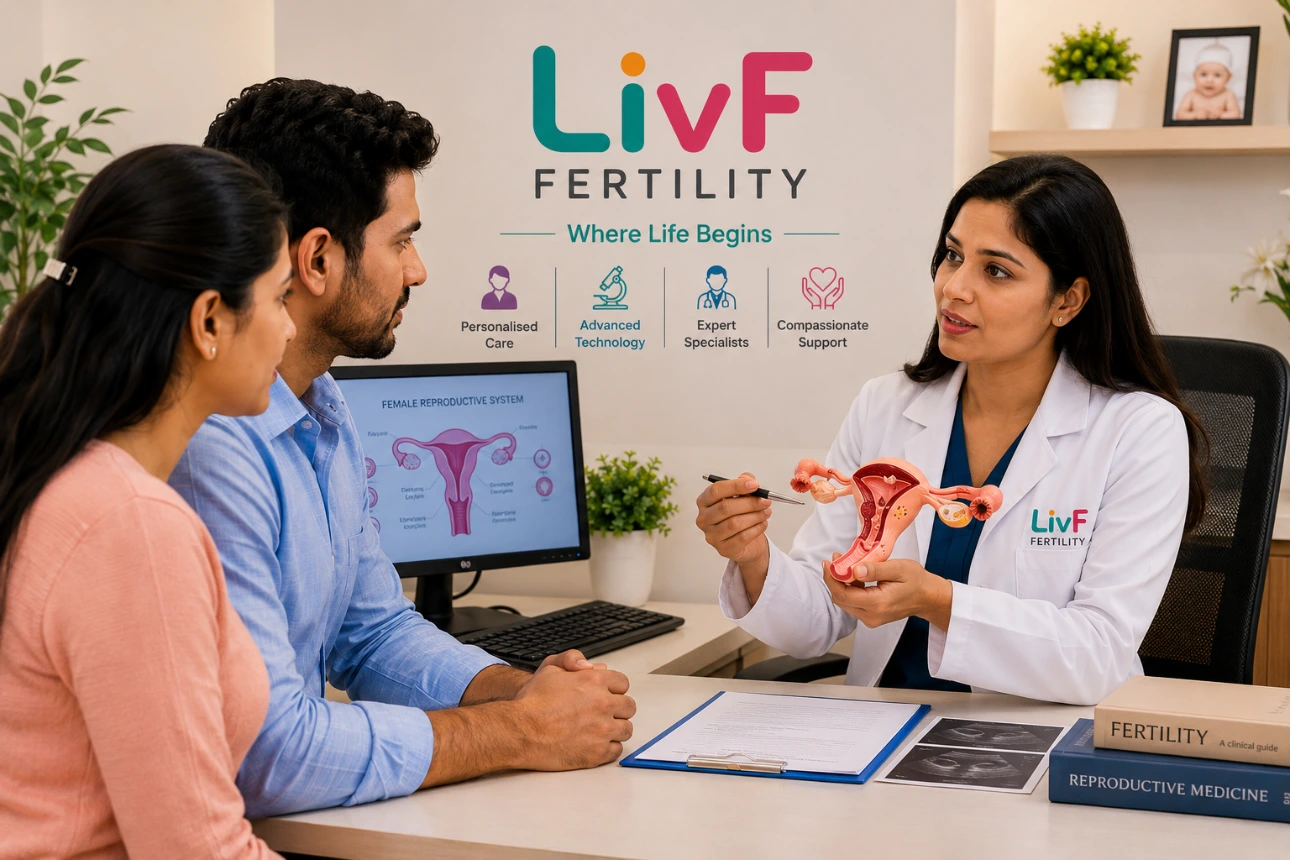
Bringing a baby into your life begins long before a positive pregnancy test. Preparing your body and mind before conception can improve your chances of a healthy pregnancy. This guide shares the best practices to follow before trying to conceive for a healthier pregnancy journey.
Many couples assume pregnancy will happen immediately after they start trying. While some conceive quickly, others may need more time. The good news is that adopting healthy habits before conception can optimise fertility and reduce potential pregnancy complications.
These 10 best practices can help both partners prepare for a healthier pregnancy journey.
Why Preconception Care Matters
Preconception care focuses on improving the health of both partners before pregnancy. It involves lifestyle adjustments, nutritional optimisation, medical screening, and identifying conditions that could affect fertility or pregnancy.
Benefits include:
- Improved fertility
- Healthier sperm and egg quality
- Reduced pregnancy complications
- Better fetal development
- Lower risk of certain birth defects
1. Plan a Preconception Health Check
One of the most important first steps is visiting a healthcare professional before trying to conceive.
A preconception consultation helps assess:
- Medical history
- Menstrual history
- Current medications
- Chronic medical conditions
- Lifestyle habits
- Vaccination status
Early identification of potential concerns allows timely treatment and personalised advice.
2. Maintain a Healthy Weight to avoid infertility problems
Body weight can influence hormone balance, ovulation, sperm quality, and pregnancy outcomes.
For Women
Being overweight or underweight may affect:
- Ovulation
- Egg quality
- Hormonal balance
- Pregnancy complications
For Men
Healthy body weight supports:
- Testosterone production
- Sperm count
- Sperm motility
- Overall reproductive health
Aim for gradual, sustainable weight management through balanced nutrition and regular physical activity.
3. Eat a Fertility-Friendly Diet
Nutrition plays an important role in reproductive health.
Include :
- Green leafy vegetables
- Fresh fruits
- Whole grains
- Lean proteins
- Eggs
- Omega-3 fatty acids, folate & Antioxidants rich foods
- Lentils and legumes
- Dairy products
- Nuts and seeds
Avoid :
- Highly processed foods
- Sugary drinks
- Excessive fast food
4. Exercise Regularly
Moderate physical activity supports:
- Hormonal balance
- Healthy weight
- Better insulin sensitivity
- Stress reduction
- Improved cardiovascular health
Aim for approximately 25 minutes of moderate exercise a day.
5. Get Enough Sleep
Sleep plays an important role in hormonal regulation. Adequate sleep and sexual health are deeply interconnected.
Adults should aim for 7-9 hours of quality sleep each night.
Poor sleep may affect:
- Hormone production
- Ovulation
- Testosterone levels
6. Stop Smoking and Avoid Tobacco
Smoking affects fertility in both women and men. Quitting smoking is one of the most beneficial lifestyle changes before pregnancy.
It may:
- Reduce egg quality
- Lower sperm count
- Increase oxidative stress
- Increase pregnancy complications
7. Limit Alcohol and Recreational Drugs
Alcohol and recreational drug use does negatively affect reproductive health. Avoiding these substances while planning pregnancy supports healthier outcomes for both partners.
8. Manage Stress in Healthy Ways
Managing stress effectively helps in establishing healthy physical habits and mental boundaries. Healthy stress management techniques include:
- Yoga/ Meditation
- Breathing excercises
- Walking
- Counselling
- Spending time with loved ones
9. Know Your Fertile Window
Knowing ovulation helps improve the chances of conception. Your fertile window is the 6-day period in your menstrual cycle when pregnancy is possible.
To identify and track your window, follow these reliable methods:
- Changes in cervical mucus
- Ovulation predictor kits
- Basal body temperature tracking
- Menstrual cycle tracking apps
Regular intercourse every 2–3 days throughout the cycle is generally sufficient for couples trying to conceive.
10. Know when to Seek Fertility Advice
Most healthy couples conceive naturally within a year. Consider consulting a fertility specialist if:
- You are under 35 and have been trying for 12 months without pregnancy.
- You are 35 or older and have been trying for 6 months without pregnancy.
- You have irregular menstrual cycles.
- You have known fertility-related medical conditions.
- There is a history of recurrent pregnancy loss.
- There are concerns about male fertility.
Every couple’s journey is unique. Following the best practices before trying to conceive can help optimise your health, improve fertility, and prepare you for a healthy pregnancy.
Your mental well-being is just as important as your physical health. At LIVF Fertility & Women’s Healthcare, we’re here to provide compassionate, confidential, and personalised support to help you navigate life’s challenges with confidence. Take the first step towards a healthier mind—schedule a consultation with our mental health experts today.