
Introduction
For many couples, deciding to undergo IVF is a deeply emotional journey filled with hope, anticipation, and also questions. One of the most common concerns that couples have is whether an IVF pregnancy carries higher risks compared to a naturally conceived pregnancy. It is completely normal to feel anxious when reading or hearing about possible pregnancy complications, especially when IVF is involved.
IVF pregnancies are known to have slightly higher risks, including preterm birth, low birth weight, and preeclampsia. Preeclampsia is a pregnancy related condition that involves high blood pressure and the presence of protein in the urine. While these risks may sound alarming at first, it is important to understand that most of them are well recognised, closely monitored, and effectively managed with proper medical care.
At LIVF Fertility, we believe that informed patients feel more confident and empowered. This article explains the potential risks associated with IVF pregnancies, why these risks may occur, and what can be done to reduce them. With the right knowledge and support, couples can move forward in their pregnancy journey with reassurance and clarity.
Understanding IVF and Pregnancy Complications
IVF itself does not directly cause pregnancy complications. Instead, IVF pregnancies are often associated with certain background factors that already exist before conception.
One of the most important factors is advanced maternal age. As women age, the natural risk of pregnancy complications increases. With age, there is also a higher likelihood of developing chronic health conditions such as diabetes, thyroid disorders, or hypertension even before pregnancy begins. These conditions can influence pregnancy outcomes, whether conception occurs naturally or through IVF.
Advanced age may also increase the risk of late obstetric complications such as gestational diabetes mellitus and pregnancy related hypertension. Since many women choose IVF in their thirties or forties, these age related factors often overlap with IVF pregnancies.
IVF pregnancies are also associated with slightly higher rates of preterm birth and low birth weight compared to natural pregnancies. This does not mean that IVF is unsafe. It simply means that IVF pregnancies require closer observation and structured antenatal care.
Another factor contributing to IVF pregnancy risks is underlying fertility conditions. Conditions such as PCOS, endometriosis, hormonal imbalances, or uterine issues may already affect pregnancy health. IVF helps achieve conception, but these underlying conditions still need careful management throughout pregnancy.
It is important to remember that most IVF pregnancies result in healthy babies, especially when regular monitoring and personalised care are provided.
Common Complications During IVF Pregnancies
Preeclampsia and Blood Pressure Changes
One of the most discussed complications in IVF pregnancies is preeclampsia. This condition is characterised by elevated blood pressure during pregnancy and may involve protein in the urine. Research has shown that women who conceive through IVF may have a slightly higher chance of developing this condition compared to women who conceive naturally.
Preeclampsia can affect blood flow to the placenta and may impact fetal growth if not detected early. However, with routine blood pressure checks, urine testing, and timely medical intervention, most cases are identified early and managed effectively.
At LIVF Fertility, regular antenatal monitoring ensures that any rise in blood pressure is addressed promptly, significantly reducing the risk of serious complications.
Placental Related Concerns
Some studies suggest that IVF pregnancies may have a slightly higher incidence of placental issues. These may include variations in placental positioning or blood flow. While this may sound concerning, modern ultrasound technology allows doctors to monitor placental development closely throughout pregnancy.
Early identification of placental changes allows healthcare providers to plan appropriate care and delivery strategies, ensuring the safety of both mother and baby.
Preterm Birth and Low Birth Weight
Preterm birth refers to delivery before thirty seven weeks of pregnancy. Low birth weight refers to babies born weighing less than expected for their gestational age. These outcomes are seen slightly more often in IVF pregnancies, particularly when multiple embryos implant.
However, it is important to understand that these outcomes are risk based, not guaranteed. With proper antenatal care, nutritional guidance, and regular growth monitoring, many IVF pregnancies progress to full term with healthy birth weights.
Age and IVF The Key Connection
Age plays a significant role in both IVF success and pregnancy outcomes. Women over the age of thirty five are more likely to undergo IVF due to age related fertility decline. At the same time, pregnancy risks naturally increase with age.
Advanced maternal age is associated with a higher risk of miscarriage, chromosomal abnormalities, gestational diabetes, and blood pressure related conditions. These risks exist regardless of how conception occurs.
The positive news is that advancements in fertility treatments, embryo selection, and prenatal monitoring have significantly improved pregnancy outcomes for older women. Many women in their late thirties and early forties experience smooth pregnancies and healthy deliveries through IVF.
At LIVF Fertility, age specific fertility planning and pregnancy care protocols are followed to optimise both maternal and fetal health.
The Impact of Multiple Embryo Transfers
In earlier years, IVF treatments often involved transferring multiple embryos to increase the chance of pregnancy. While this approach improved success rates, it also increased the likelihood of twin or triplet pregnancies.
Multiple pregnancies naturally place greater physical demands on the mother and are associated with higher risks of preterm birth, low birth weight, and pregnancy related complications.
To reduce these risks, many fertility specialists now recommend transferring only one embryo at a time, based on the patient’s fertility profile and embryo quality. This approach is known as elective single embryo transfer.
The shift toward single embryo transfer has significantly reduced pregnancy complications while maintaining excellent success rates. This strategy prioritises safety without compromising the chances of conception.
Managing Risks During an IVF Pregnancy

While IVF pregnancies may require closer monitoring, they are also among the most carefully managed pregnancies. At LIVF Fertility, pregnancy care is structured, proactive, and personalised.
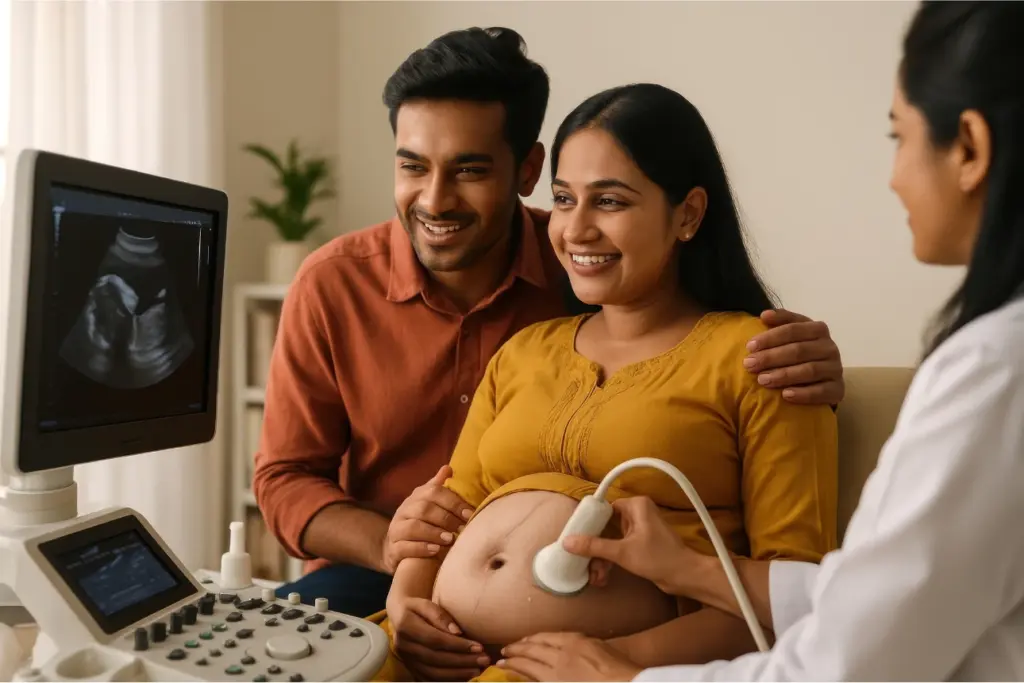
Regular ultrasounds help track fetal growth and placental health. Prenatal testing allows early detection of potential concerns. Blood pressure and blood sugar levels are monitored closely throughout pregnancy.
Lifestyle factors also play an important role in reducing risks. A balanced diet, appropriate physical activity, adequate sleep, and stress management contribute significantly to pregnancy wellbeing.
Equally important is open communication. Women are encouraged to discuss any physical or emotional concerns with their healthcare providers. Early reporting of symptoms allows timely intervention and reassurance.
Emotional Wellbeing During IVF Pregnancy
Beyond physical health, emotional wellbeing is an essential part of IVF pregnancy care. Many couples experience heightened anxiety during IVF pregnancies due to the effort and emotional investment involved in achieving conception.
Understanding that IVF pregnancies are closely monitored can provide reassurance. Emotional support, counselling when needed, and regular interaction with the care team help couples feel supported throughout the journey.
At LIVF Fertility, compassionate care is considered just as important as clinical excellence.
Conclusion
IVF pregnancies may carry a slightly higher risk of certain complications, but these risks are well understood and highly manageable with proper care. Factors such as maternal age, underlying health conditions, embryo transfer decisions, and proactive medical monitoring play a crucial role in ensuring a safe pregnancy.
IVF continues to be one of the most successful and widely used fertility treatments worldwide. With advancements in medical science and personalised pregnancy care, the majority of IVF pregnancies result in healthy outcomes.
If you are considering IVF or are already pregnant through IVF, remember that you are not alone. Many women have successfully navigated this journey and experienced the joy of parenthood. With the right guidance and support, you can approach your pregnancy with confidence and peace of mind.
Frequently Asked Questions (FAQ)
How can I reduce the risk of complications during an IVF pregnancy
Regular prenatal care, maintaining a healthy lifestyle, attending scheduled checkups, and staying in close communication with your healthcare provider are essential steps in reducing complications.
Does the mother’s age impact IVF pregnancy risks
Yes, advanced maternal age is associated with higher pregnancy risks. However, close monitoring and personalised medical care help manage these risks effectively.
Are IVF pregnancies more complicated than natural pregnancies
IVF pregnancies may require closer observation, but with proper care, most complications can be managed successfully, resulting in healthy pregnancies and deliveries.